The Soul of Morocco Under Your Feet

woman holding dried flower

Handcrafted Heritage, Modern Elegance

Majjati Azal

Classic Beni Ourain
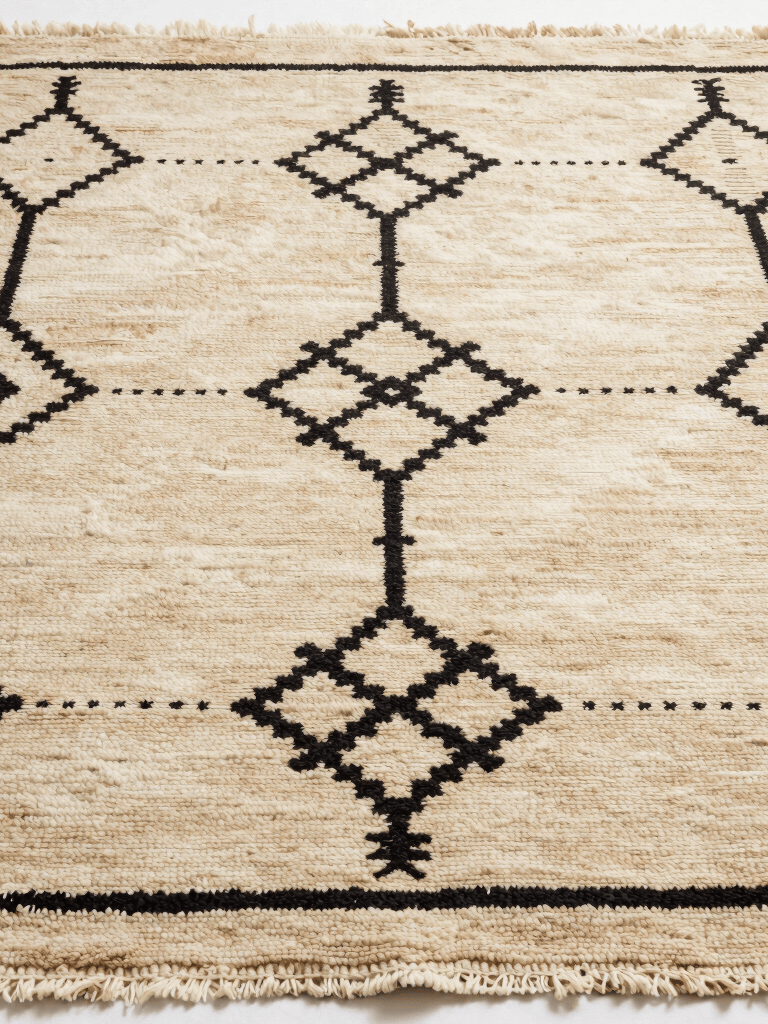
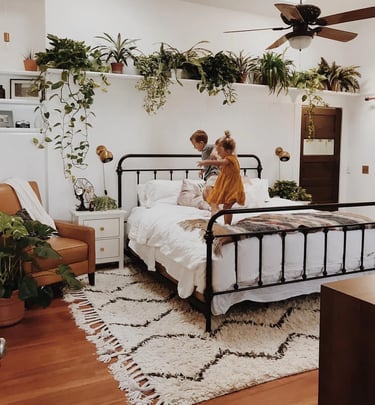
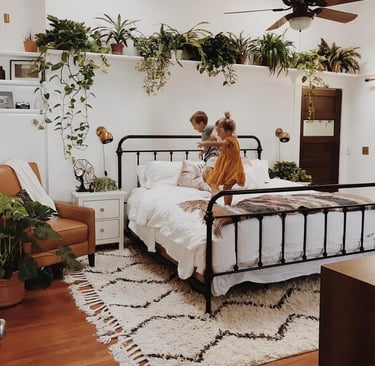
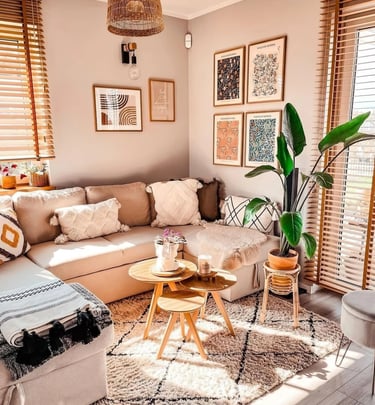
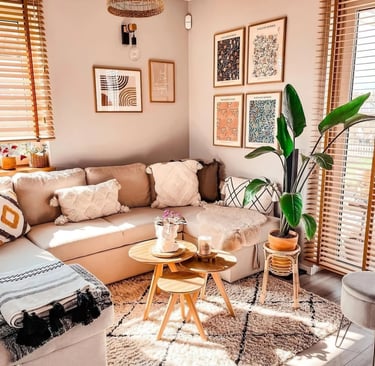
Close-up of a soft, cream-colored Beni Ourain rug with bold charcoal geometric patterns, laid out in a sunlit living room.
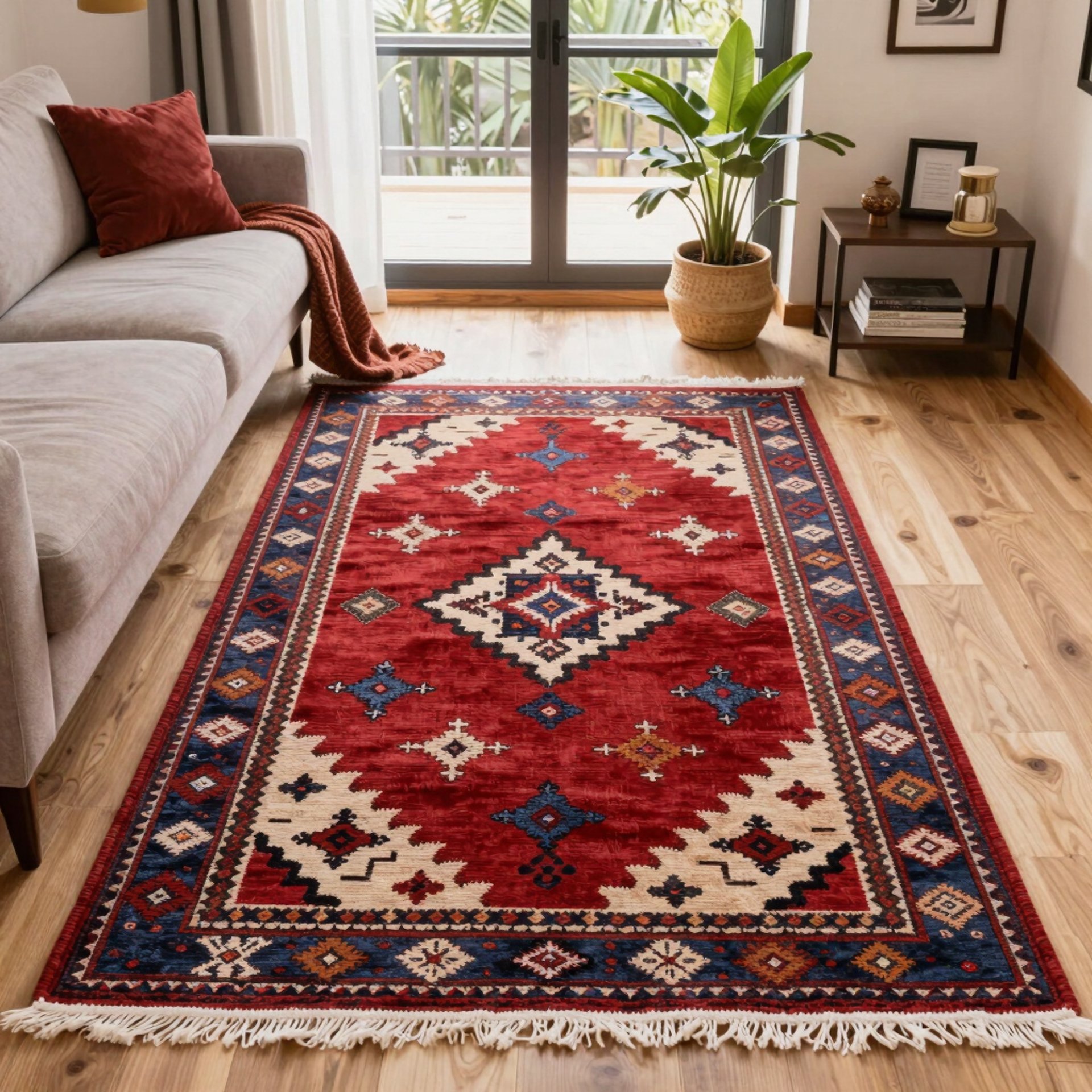
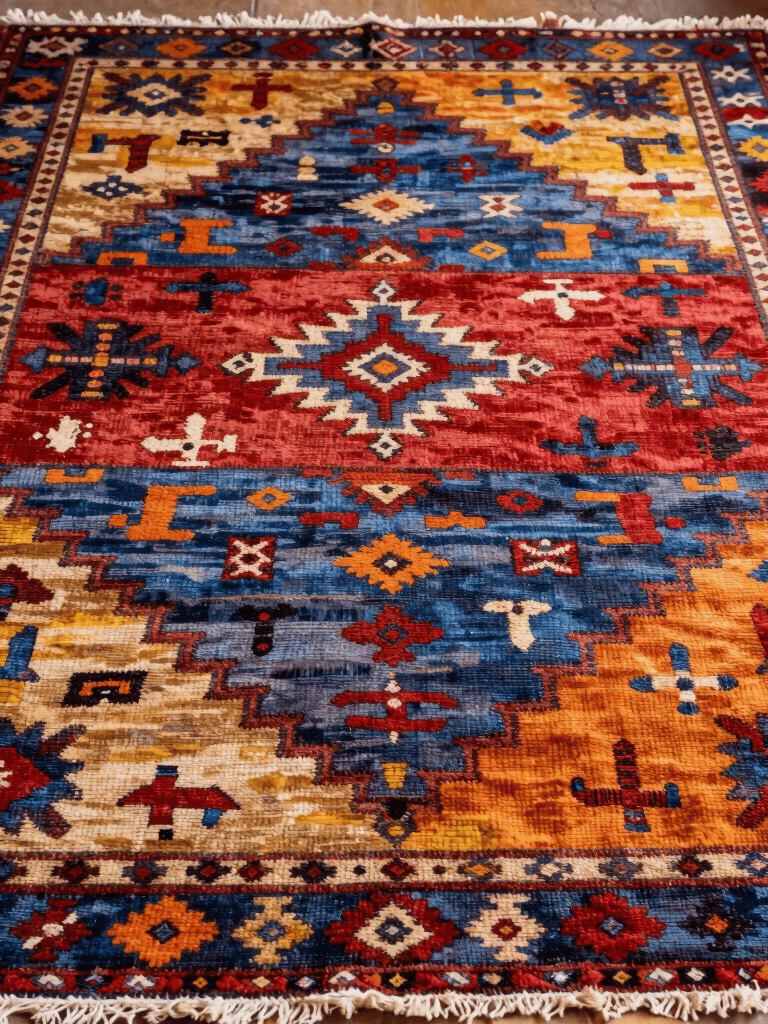
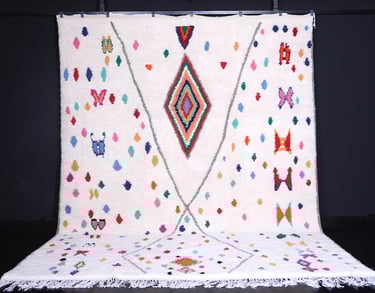
A terracotta-hued Azilal rug with intricate tribal motifs displayed on a minimalist wooden floor.

Shop Now

Vibrant Azilal

View Rugs

Handwoven Moroccan rug featuring warm sand and terracotta tones, draped over a rustic chair in a cozy corner.
Boucherouite Rugs

Browse Now

Luxury in Every Knot, Minimalism in Every Thread

Vibrant Traditions, Woven by Hand

Modern, unique, eco-conscious

At Majjati Azal, we celebrate the rich heritage and timeless artistry of Moroccan rugs. Every rug we offer is more than just a floor covering—it’s a story woven by skilled artisans, carrying centuries of Berber tradition, vibrant colors, and intricate patterns.

Founded by the Moroccan Majjati family, whose roots trace back to Berber heritage, Majjati Azal was created out of a deep respect for traditional craftsmanship. The vision was to connect timeless Moroccan artistry with modern homes around the world.

Majjati Azal brings the spirit of Morocco into contemporary spaces—blending heritage, texture, and design. From the soft, luxurious feel of Beni Ourain rugs to the vibrant, artistic patterns of Azilal rugs, every piece is thoughtfully chosen to add warmth, personality, and character to your home. Each rug reflects generations of weaving tradition while fitting beautifully into modern interiors.

We believe that a rug is not just decoration—it’s an experience. Our mission is to preserve the artistry of Moroccan weaving while making it accessible to lovers of culture, design, and quality around the world.

Step into a world of tradition, color, and creativity with Majjati Azal Rugs—where every rug is homemade and tells a story, and every home becomes a canvas.becomes a canvas.

Amazigh Rug Symbols and Their Meanings

One of the most fascinating aspects of handwoven Moroccan rugs is the symbolism woven into every design. Each motif carries a story, a cultural belief, or a blessing from the weaver. At Majjati Azal, we honor these symbols as part of the rich Amazigh heritage.

Diamonds, frequently seen in Beni Ourain rugs, represent protection, fertility, and the family unit. They are believed to guard the home and bring balance to life. X and cross shapes are traditional signs that symbolize protection against negative energy, ensuring safety and positive energy within the household. Zigzag patterns often signify water, life, and continuity. In the mountains and deserts of Morocco, water is precious, so these motifs honor its life-giving power. Triangles are associated with fertility, women, and family lineage, often appearing alongside other shapes to tell complex stories. Trees and arrow motifs represent growth, strength, and direction in life. Trees may symbolize the connection between earth and sky, while arrows are thought to provide protection or guidance.

In Azilal rugs, abstract lines and dashes often reflect daily life, personal stories, or spiritual beliefs. Each line, curve, or dash can carry a meaning known primarily to the weaver and her community. In Amazigh culture, these patterns are much more than decoration; they convey stories of family and community life, offer blessings or baraka, honor nature and the seasons, and celebrate women’s wisdom and fertility. Every rug from the Atlas Mountains is a living piece of Amazigh history, connecting your home to centuries of tradition and artistry.

New and Trending Collections

Custom Rugs

Vintage Rugs

Beni Ourain Rugs

Modern Rugs

Stay Connected

Join our newsletter for exclusive rug stories

Our Most Popular Rug Styles


Our rugs are handwoven by Amazigh (Berber) women from villages in Morocco’s Atlas Mountains. For generations, these artisans have passed down the craft of weaving, creating authentic Moroccan rugs that carry the culture, history, and creativity of their communities.

Gallery

Handwoven Moroccan rugs that tell a story

How Our Moroccan Rugs Are Made

At Majjati Azal, every rug begins with traditional craftsmanship that has been passed down through Amazigh families for generations. These handmade Moroccan rugs are created using time-honored techniques that reflect both artistry and cultural heritage.

Wool Preparation
The process begins with high-quality wool from sheep raised in Morocco’s mountain regions. The wool is carefully cleaned, combed, and spun by hand into strong, soft yarn ready for weaving.

Natural Dyeing
Many traditional Berber rugs are colored using natural dyes made from plants, roots, flowers, and minerals. These dyes create the rich, earthy tones and vibrant colors that make authentic Moroccan rugs so distinctive.

Hand Weaving
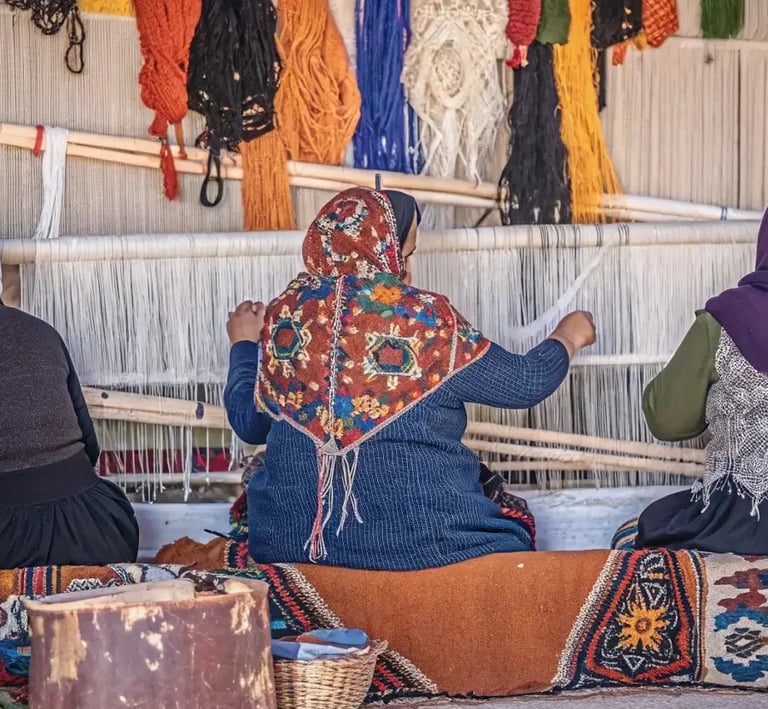
Each rug is woven slowly on a traditional vertical loom. Amazigh women weave the wool strand by strand, knot by knot, creating durable textiles that can last for generations.

Symbolic Patterns
The designs found in Amazigh rugs often carry meaning. Geometric shapes and abstract motifs may represent protection, nature, family life, or stories from the weaver’s community.

Because every rug is woven by hand, no two pieces are ever exactly alike. Each rug is a one-of-a-kind work of art that brings the spirit of Moroccan craftsmanship into your home.

Traditional Amazigh Rug Styles

Morocco is home to several distinctive styles of handwoven Berber rugs, each originating from different Amazigh regions.

Beni Ourain Rugs
Known for their soft wool and minimalist design, Beni Ourain rugs typically feature cream backgrounds with simple geometric patterns. These rugs are prized for their warmth, texture, and timeless style.

Azilal Rugs
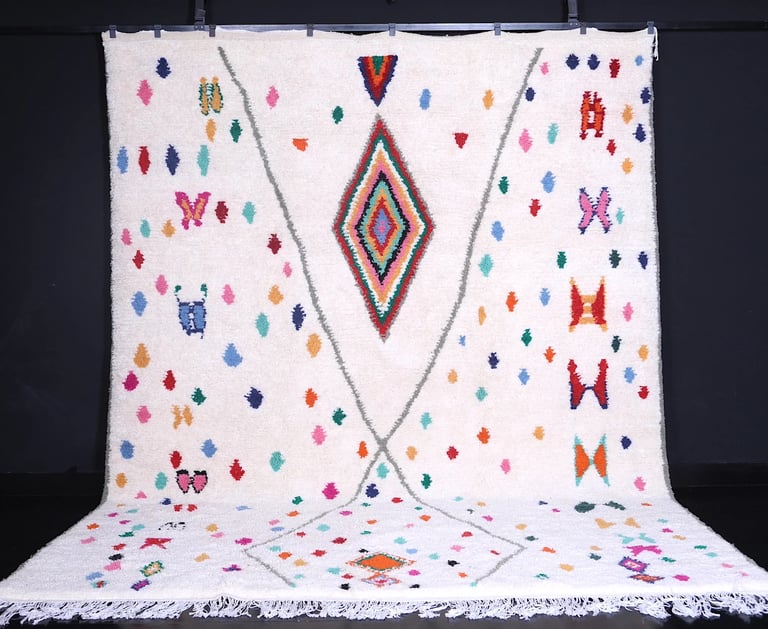
Azilal rugs are celebrated for their bold colors and expressive designs. These vibrant rugs often combine abstract shapes and Amazigh symbolism, making them unique statement pieces.

Boujad Rugs
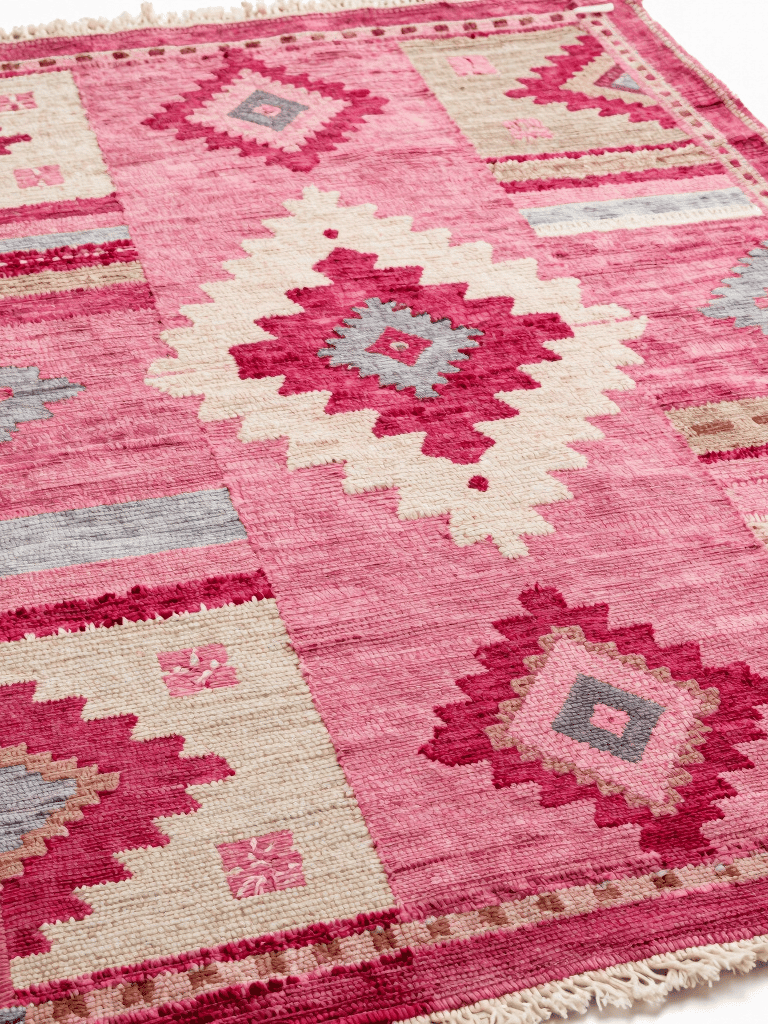
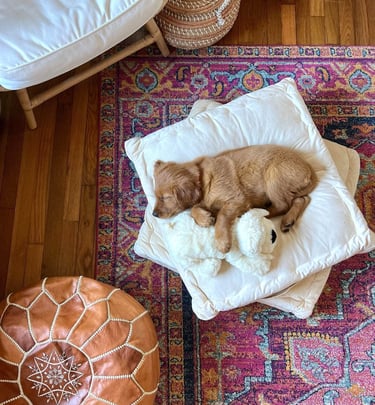
Boujad rugs are known for their rich pink, red, and sunset tones. Their tribal motifs and vintage character give them a warm, artistic feel that works beautifully in both traditional and modern interiors.

Close-up of a terracotta and cream Moroccan rug with intricate geometric patterns on a light wooden floor
Artisan weaving a sand-colored rug on a traditional loom in a sunlit workshop
A charcoal and cream rug laid out in a minimalist living room with natural light and warm accents
Stack of folded handmade rugs in shades of terracotta, sand, and cream displayed against a white wall
Detail of a hand-knotted rug's texture showing artisan craftsmanship in warm natural tones

The Legacy of Moroccan Carpets

High in the Atlas Mountains, remote villages nurture an extraordinary craft passed down through generations of women. From childhood, girls observe their mothers at work, absorbing centuries-old techniques and intricate designs. This apprenticeship is more than skill-building—it fosters deep bonds, heritage, and communal pride. Each carpet tells a story: patterns carry meanings, from protective diamonds to flowing zigzags that echo rivers or life’s twists and turns. As the artisans work, they infuse the fibers with their own memories, celebrations, and struggles, turning every piece into a living narrative. No two carpets are alike; each is a singular masterpiece, bearing the spirit of the maker and the echoes of ancestral wisdom.

Close-up of a skilled artisan weaving a vibrant terracotta and cream Moroccan rug by hand.

Berber Women in North Africa

The Amazigh Heritage Behind Majjati Azal

At Majjati Azal, our story is rooted in the culture of the Amazigh people, also known as Berbers—the indigenous people of North Africa. For thousands of years, Amazigh communities have lived throughout Morocco, the Atlas Mountains, and across the Maghreb, preserving traditions of craftsmanship, storytelling, and textile artistry that continue to inspire the world today.

Our rugs come from this living heritage. Every handmade Moroccan rug reflects the artistry and history of Amazigh culture. From the soft textures of Beni Ourain rugs to the vibrant colors of Azilal rugs, these pieces are more than home décor—they are expressions of identity, creativity, and tradition.

Majjati Azal is dedicated to connecting modern homes with authentic Moroccan rugs that carry the spirit of the people who weave them.

Amazigh Beauty and Cultural Identity

Amazigh culture celebrates individuality and symbolism. For generations, Amazigh women expressed their identity through colorful garments, intricate silver jewelry, and symbolic tattoos placed near the eyes, mouth, or forehead. These markings were not simply decorative; they represented protection, family lineage, and life milestones.

Each region of Morocco developed its own traditions, which is why Berber rugs and textiles display such a wide variety of colors, patterns, and geometric symbols.

Women as Guardians of Amazigh Tradition

In Amazigh communities, women have long been the guardians of language, culture, and oral storytelling. Through songs, poetry, and daily life, Amazigh women passed traditions from one generation to the next.

This same cultural preservation continues today through Moroccan rug weaving, where knowledge of patterns, symbols, and techniques is taught within families and communities.

Strength and Leadership in Amazigh History

Amazigh history includes powerful female figures who symbolize courage and independence. One of the most legendary leaders is Dihya al-Kahina, the Amazigh warrior queen remembered for defending North Africa in the seventh century.

Her story continues to inspire Amazigh pride and cultural identity today.

The Art of Handmade Moroccan Rugs

One of the most celebrated traditions of Amazigh culture is rug weaving. For centuries, Amazigh women have transformed wool from sheep raised in the Atlas Mountains into beautiful textiles using traditional looms.

These handwoven Moroccan rugs are known for their softness, durability, and symbolic designs. Each pattern tells a story—representing protection, fertility, nature, or family life.

Popular styles include:

  • Beni Ourain rugs – known for their soft wool and minimalist geometric patterns

  • Azilal rugs – vibrant, colorful rugs filled with abstract Amazigh symbolism

  • Vintage Berber rugs – one-of-a-kind pieces reflecting decades of craftsmanship

Because every rug is woven by hand, no two pieces are ever identical.

A Living Tradition In Rug Weaving

In traditional Amazigh weaving culture:

  • Wool from sheep raised in the Atlas Mountains is considered pure and natural.

  • The weaving process is often done by women in the home, sometimes while singing or telling stories.

  • Patterns may include symbols of protection, fertility, and life cycles.

Because of this, many people believe a handmade rug carries positive energy, protection, or good fortune into the home.

This is why authentic Moroccan rugs are treasured around the world—not only for their beauty, but for the culture and story woven into every thread.

The Majjati Azal Mission

Majjati Azal was created to celebrate the beauty and heritage of Amazigh craftsmanship. Our goal is to bring authentic handmade Moroccan rugs into homes around the world while honoring the traditions of the artisans who create them.

When you choose a rug from Majjati Azal, you are not simply decorating a room—you are welcoming a piece of Amazigh history into your home.